Some foreign tourists travel in China through a superficial tourist lens: they snap photos, sample local food, and check off famous landmarks, yet leave without grasping the logic behind everyday local customs. Many small daily rules and social behaviours may even feel confusing or inconvenient to overseas guests.
The key to wandering China as a genuine local and gaining authentic insight into Chinese society lies in cross-cultural communication. Nearly every subtle difference you encounter stems from thousands of years of distinct social philosophies and spiritual traditions. By adopting a cross-cultural mindset, ordinary travel moments can become profound cultural lessons, allowing you to connect with local life far beyond surface-level sightseeing.
1. Individualism vs Collectivism: The Foundational Divide in Social Values
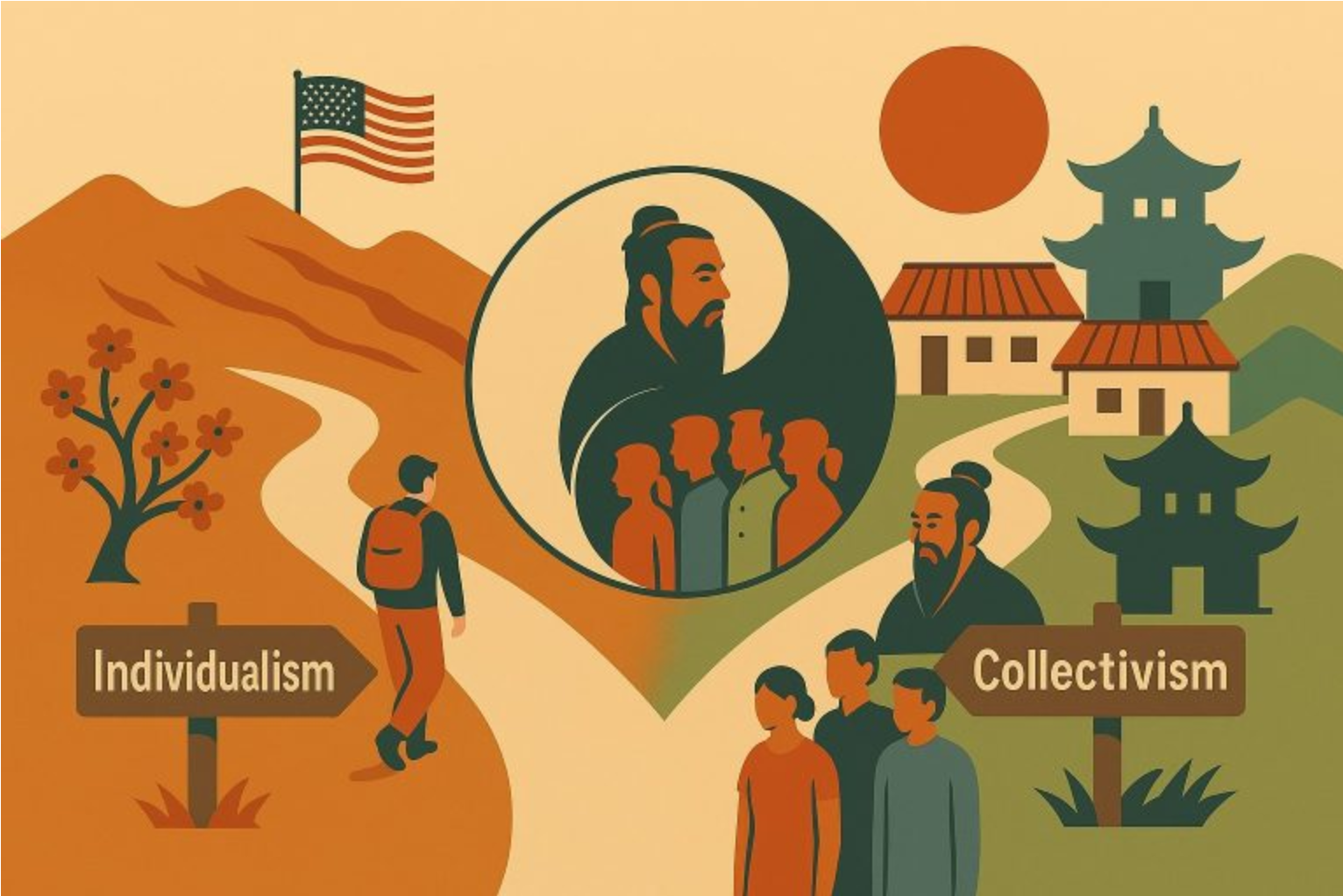
The biggest cross-cultural gap separating Western and Chinese societies stems from two opposing core value systems: Western individualism and China’s time-honoured collectivism, forged over 2,000 years.
Individualism in Western Countries: Personal Liberty as Top Priority
Societies across North America, Europe, New Zealand, and most African nations are built around individualism, which places personal freedom, individual rights, and independent choice above collective interests. Public management frameworks are designed to minimise restrictions on personal autonomy.
This explains many travel habits familiar to Western visitors:
Subways, train stations, and public buildings rarely enforce mandatory security screenings
Local governance leans heavily on self-discipline from individual citizens
Rental cars are the default travel solution for road trips, prioritising flexible personal schedules over unified public transit
Chinese Collectivism: Community Safety and Group Harmony Come First

China’s social order is deeply shaped by Confucian culture and long-standing collectivist thinking. Within this framework, the safety, stability, and honour of the whole community always take precedence over individual convenience.
Every public regulation you encounter in China exists to protect the mass public interests, rather than restrict single people:
Mandatory security checks at all metro, high-speed rail, and venue entrances are not unnecessary formalities. They serve as a collective safeguard to protect millions of daily travellers from potential risks.
Queuing rules, crowd control, and unified transit management all aim to maintain smooth order for the general public.
Experience This Cultural Gap Firsthand via China’s Public Transit
One of the most immersive ways to feel this cultural contrast is to set aside your usual Western travel routines and ride local public transport across Guangzhou, Shenzhen, and other South Chinese cities:
Take the city metro lines to observe orderly mass mobility amid routine security procedures
Board high-speed trains to experience China’s efficient, group-centred national transit network built around collective safety and punctuality
Ride urban buses to witness modest, community-focused daily behaviours of residents
Unlike Western destinations where self-driving dominates travel, China’s world-class public transport network is a direct manifestation of its collectivist cultural DNA: minor compromises to individual convenience deliver maximum safety, efficiency, and harmony for the whole society.
2. Institutional Western Religions vs Blended Chinese Folk Beliefs
Another frequent source of cross-cultural confusion lies in spiritual and belief systems.
Most international visitors grow up with formal, institutionalised religions, including Christianity, Islam, and mainstream Buddhism, complete with fixed temples or churches, standard doctrines, and unified rituals.
In contrast, the spiritual life of Han Chinese residents, especially across South China, is rooted in a seamless blend of Confucian ethics and Taoist natural worship. It is not a rigidly organised religion, but a living folk belief woven into family life, morality, and gratitude.
Core Folk Worship Customs Common in South China
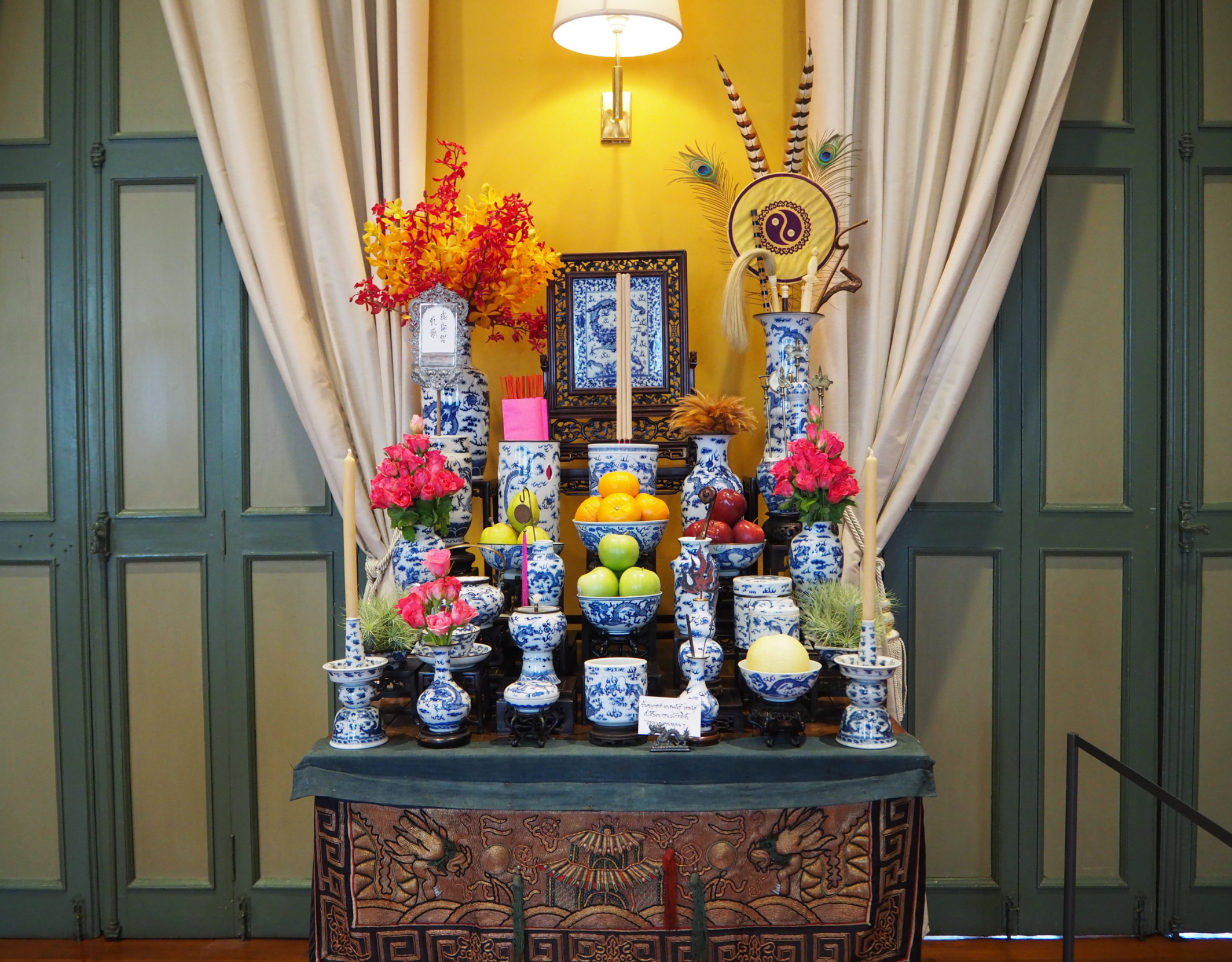
Ancestor worship is a significant aspect of Chinese culture, and Confucius, the sage, highly valued it
Local spiritual practices revolve around familial heritage and the pursuit of integrity and balance:
Ancestor worship, a Confucian tradition embodying filial piety and respect for generational lineage
Worship of Guan Gong, revered as a cultural symbol of loyalty, honesty, and trustworthy business ethics
Offerings to heaven and earth, reflecting Taoist reverence for natural cycles and harmonious coexistence with nature
These rituals are not mere superstition; they represent the enduring moral codes and cultural inheritance passed down through countless generations.
Deep Dive Into Lingnan Folk Culture at Chen Clan Academy (Chenjia Ci)
The unmissable landmark to unpack South China’s unique folk spiritual culture is Guangzhou’s Chen Clan Academy.
Far more than an ancient architectural attraction, this sprawling ancestral hall condenses all core Lingnan cultural values:
Intricate wood, brick, and ceramic carvings depict age-old tales of family unity, loyalty, and human-nature harmony
The symmetrical ancestral hall layout fully embodies Confucian family-centric values
Permanent exhibits and seasonal ritual displays illustrate why local communities prioritise kinship, integrity, and collective peace
Exploring Chen Clan Academy with cross-cultural awareness lets you understand that China’s spiritual landscape is not empty of faith; it is centred on family legacy, moral conduct, and respect for nature, fundamentally different from Western institutionalised religion.
Immersive Local Travel Supported by Into South China’s Cross-Culturally Trained Guides
Standard tour guides only introduce historical facts, architecture, and local cuisine. All travel consultants and tour guides at Into South China complete professional systematic cross-cultural communication training.
We do not simply lead you to scenic spots; we decode the hidden cultural logic behind every everyday scene you witness in South China:
Break down the purpose of public security screenings and collective management rules, helping you view them through a cultural lens rather than feeling inconvenienced
Bridge the gap between Western religious traditions and Lingnan folk worship during your visit to Chen Clan Academy, eliminating cross-cultural misunderstandings
Arrange guided experiences on the metro, high-speed rail, and local buses, so you feel tangible cultural differences embedded within China’s transit infrastructure
Provide continuous cultural context throughout your trip, enabling you to observe local life with genuine respect and deeper comprehension
Our custom South China bleisure and cultural tours focus on in-depth cultural immersion instead of shallow check-list sightseeing. You will explore with cross-cultural critical thinking, gaining the authentic local perspective rarely accessible to independent foreign travellers.
Closing Remarks
Cross-cultural travel is far more than visiting unfamiliar landscapes; it means learning to understand entirely different ways of seeing the world.
Western individualism prioritises personal freedom, while Chinese collectivism prioritises communal harmony. Formal institutional faith shapes Western spiritual life, while integrated Confucian-Taoist folk beliefs guide daily morality across southern China.
With the professional cross-cultural team at Into South China, you can wander Guangzhou, Shenzhen, and all corners of South China like a local, decode the unseen logic of Chinese daily life, and enjoy a uniquely insightful cross-cultural travel experience.