Imagine weaving through a bustling traditional market in Nanning, where the scent of dried mandarin peel and the flash of Zhuang brocade catch your eye. A day later, you’re in a sleek Shenzhen electronics mall, watching a robot vacuum cleaner spin on its own. By evening, you’re on a beachfront in Haikou, tapping your phone to order Wenchang chicken, and it arrives steaming at your resort. Across Guangdong, Guangxi, and Hainan, the thrill of shopping takes on a different hue in every city, and the best part is that much of it can be smooth, surprising, and delightfully tax-refundable. Here’s how to shop South China like an insider.
Offline Treasures: Where Every Region Has Its Own Rhythm
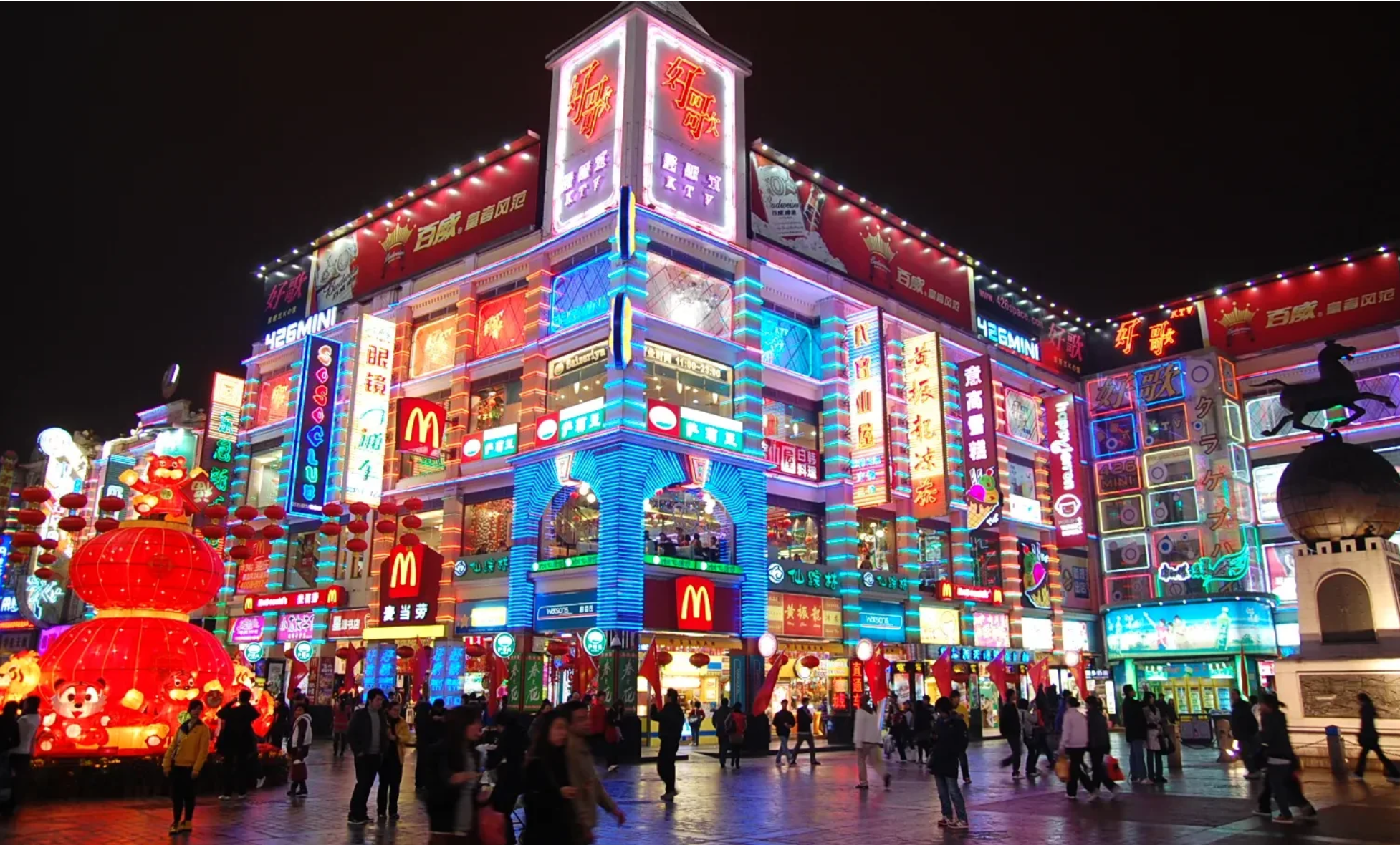
Shangxiajiu Pedestrian Street: Guangzhou’s Historic Shopping & Food Street
South China’s physical markets are as diverse as its landscapes. In Guangzhou, historic pedestrian streets like Shangxiajiu and Beijing Road offer a mix of time-honoured herbal medicine shops, silk boutiques, and Cantonese pastry stores. For luxury lovers, the glittering malls of Taikoo Hui deliver international brands alongside cutting-edge local designers. In Shenzhen, the Huaqiangbei electronics market is a world unto itself, a multi-storey cathedral of gadgets and components where you can pick up quirky wearables, phone accessories, and smart toys at astonishing prices. Just remember to test everything on the spot.
Head west into Guangxi, and the shopping atmosphere turns deeply ethnic and earthy. The street markets of Guilin and Yangshuo spill over with hand-embroidered Miao textiles, silver jewellery, and painted rice paper fans. In Nanning, the Zhongshan Road night market pairs local fruit like mangosteen and rambutan with stalls selling Zhuang minority crafts, perfect for gifts that carry a cultural story.
Then there’s Hainan, China’s tropical duty-free paradise. The sprawling Sanya International Duty-Free Shopping Complex and the Haikou Meilan Airport Duty-Free shops allow visitors to purchase luxury cosmetics, perfumes, watches, and fashion at prices significantly lower than in mainland China. The vibe is relaxed and beach-resort chic, and the savings are already baked in.
Bargaining is expected in small markets (keep it light and friendly), while fixed prices rule in malls and duty-free stores. A calculator passed back and forth with a grin remains the universal language.
Food at Your Fingertips: Delivery Apps Demystified
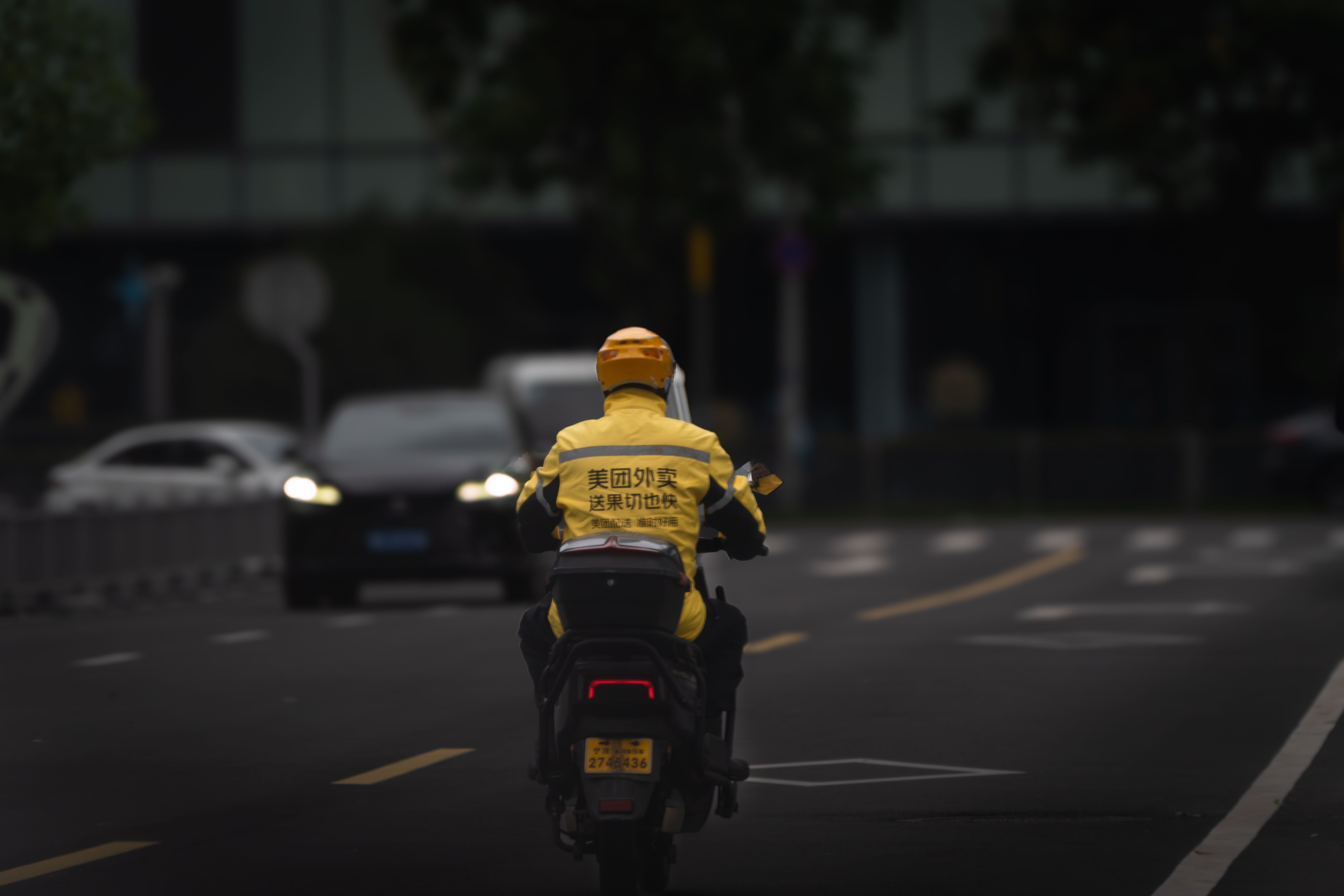
Meituan delivery driver in a yellow jacket on a scooter navigating city streets
Chinese food delivery is a genuine travel superpower. The main apps, Meituan and Ele.me, now offer English-language interfaces in many areas and accept international cards when linked to Alipay or WeChat Pay. In Guangzhou, you can summon delicate dim sum or silky rice rolls for breakfast. In Nanning, late-night Guilin rice noodles. In a Sanya resort, a fresh coconut and Hainanese chicken rice. A rider on a scooter will typically deliver within 30 to 40 minutes, often to your hotel lobby. If the Chinese menu feels overwhelming, screenshots and translation apps help, but the easiest route is having a local expert set up your apps and recommend the essential dishes before you even arrive.
E-commerce: Buy Local, Ship Smart
China’s e-commerce speed is legendary. Platforms like Taobao and JD.com will deliver to your hotel across South China, sometimes within the same day. Imagine discovering a delicate Li minority weaving in Hainan, a hand-painted folding fan in Guilin, or a chic tea set in Guangzhou, and wanting the real artisan version. You can often find it online, order it, and have it waiting at your next hotel stop. The secret is having someone who can confirm sizing, communicate with sellers, and help you consolidate and ship goods home, avoiding the headache of dragging oversized boxes through multiple airports.
The Tax-Free Finale
International visitors can reclaim VAT on eligible purchases when leaving China. Across South China, look for the “Tax Free” logo in larger department stores, shopping centres, and duty-free complexes. The minimum spend in one store on the same day is RMB 500. Request a “Tax Refund Application Form,” keep your passport handy, and present your purchases, receipts, and form at the airport tax refund counter before departure. You can receive your refund in cash (RMB) or credited back to your card, effectively an 11% bonus on your shopping.
Into South China: Your Regional Shopping Companion
At Into South China, we specialise in crafting immersive, tailor-made journeys across Guangdong, Guangxi, Hainan, and beyond. Our expertise spans well beyond a single theme: we design cultural deep-dives, culinary adventures, nature escapes, and yes, exceptional shopping itineraries. Whether you dream of hunting for vintage silks in Guangzhou with a personal shopper, sourcing ethnic textiles in a Guangxi village market, navigating Shenzhen’s gadget maze with a tech-savvy guide, or enjoying a relaxed duty-free spree in Hainan, we make it effortless. We help set up your payment and delivery apps, recommend trusted stores, arrange private vehicles and English-speaking guides, and assist with shipping treasures home. All you need is an empty suitcase and a sense of curiosity.
South China is a shopper’s mosaic, each province a different piece of art. Let us help you put the picture together.
Ready to shop in South China your way? Contact Into South China today and let’s design a retail adventure as unique as the region itself.