You step off the plane at Pudong International Airport, and Shanghai instantly impresses. The Maglev train slices through the suburbs at 430 km/h, the Bund glitters with Art Deco grandeur across the river from the futuristic towers of Lujiazui, and the city pulses with a restless, global energy. For many foreign visitors, Shanghai is China, a sleek, modern gateway that feels both ambitious and accessible. It's understandable why so many first-time travelers start here. But China is not a monologue delivered by one city; it's a rich, layered conversation. And if you leave the country without experiencing Guangzhou, you've heard only half the story.
Shanghai, for all its cosmopolitan flair, is a city that performs for the world. Guangzhou is a city that lives for itself. The difference is profound, and it's best understood not through skyscraper counts, but through the quiet, deeply pragmatic confidence of its people, a confidence that doesn't need a designer label to validate itself.
The Flip-Flop Philosophy: Fashion Versus Function
In Shanghai, dressing well is a civic duty. It's not uncommon to see residents stepping out in carefully coordinated outfits just to run a short errand. The city takes pride in its appearance, reflecting its role as China's window to the world. The streets of the French Concession are a rolling catwalk of avant-garde fashion and European influences.
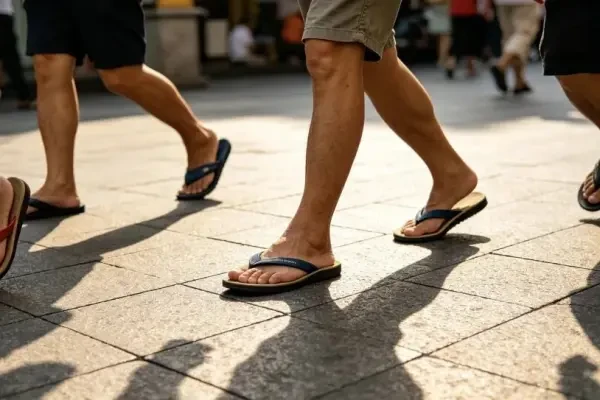
A few Cantonese people wearing flip-flops are walking on the street
Now, shift your gaze 1,200 kilometres south to Guangzhou. Here, a man might walk into a BMW dealership wearing a rumpled T-shirt, shorts, and a pair of well-worn flip-flops, casually pay for a luxury car in full, and drive away without a hint of self-consciousness. To the uninitiated foreign eye, this looks like a lack of sophistication. To the Cantonese, it's the ultimate flex: wealth and status are so deeply assumed that there's nothing to prove. The flip-flop, or ren zi tuo, is the unofficial footwear of old Guangzhou. It says: I am comfortable, I am practical, and I care more about the quality of my dim sum than the brand on my feet.
This isn't laziness; it's a philosophy. Cantonese pragmatism runs deep. Guangzhou has been a trading port for over two millennia, long before Shanghai was a fishing village. Its merchants amassed fortunes not through flashy displays but through shrewd deals, trust, and a relentless focus on substance. That ethos survives in the local character today. Visitors are encouraged to lean into this spirit. Swap the stiff leather shoes for a pair of soft flip-flops, stroll through the shaded arcades of the old Liwan district, and feel the freedom of blending in with a culture that prioritises living well over looking polished.
A Tale of Two Kitchens: Haute Cuisine Versus Soul Food
Shanghai's food scene is sophisticated, international, and exquisitely plated. You'll find Michelin-starred restaurants, meticulous xiaolongbao (soup dumplings), and a sweeter palate that reflects the city's historical affluence. Dining out can feel like an event, a carefully orchestrated experience.
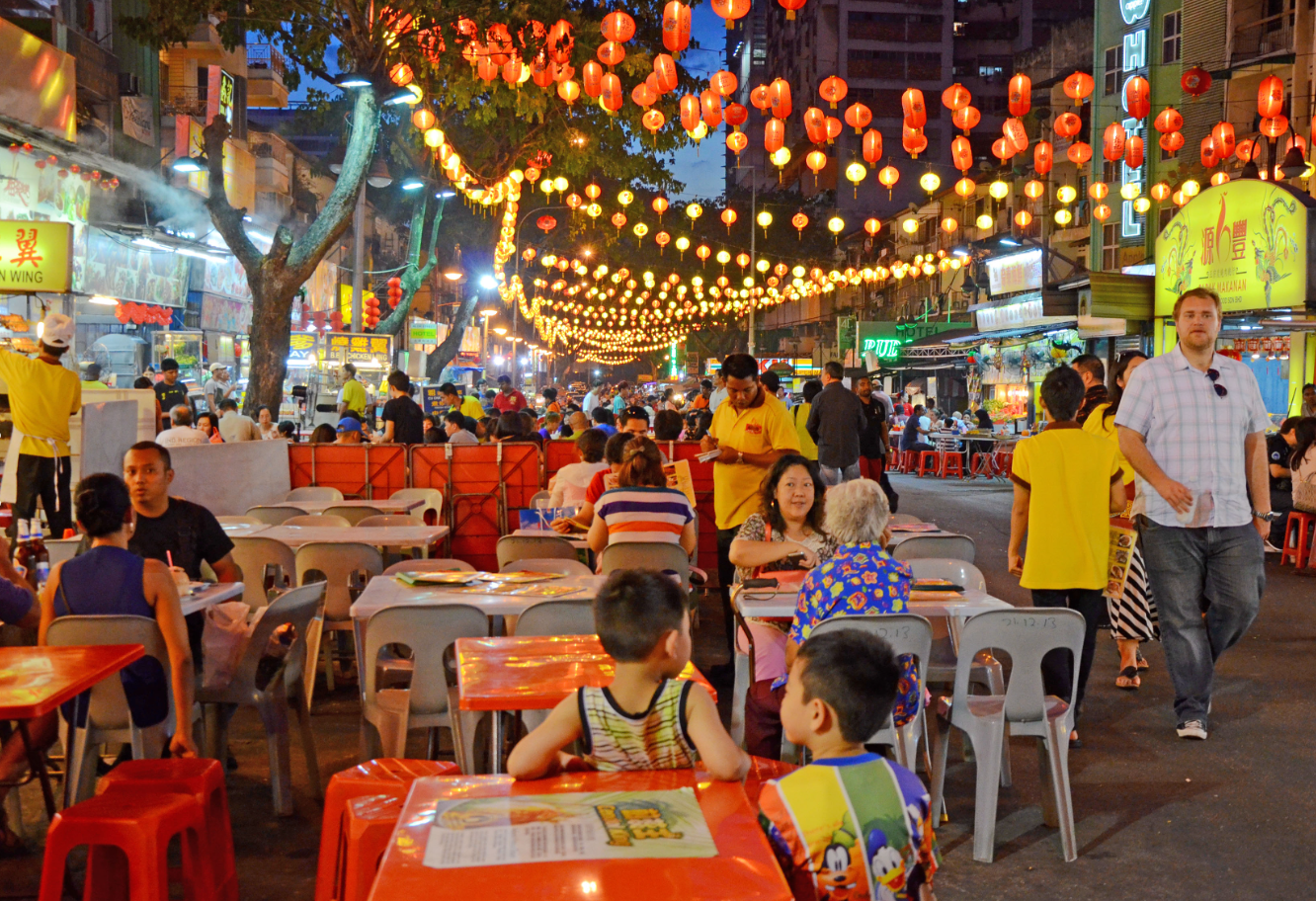
Immerse yourself in a da pai dong culture, the heart of Cantonese street food nightlife
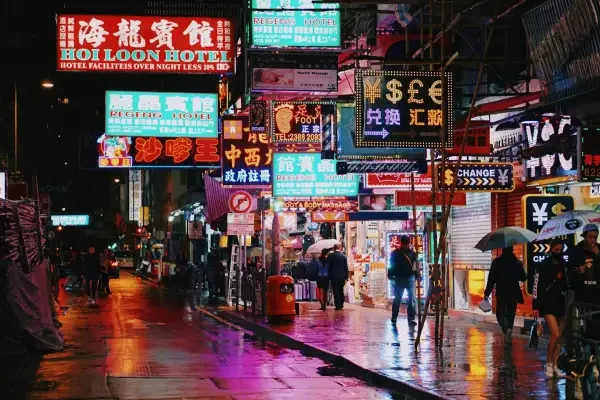
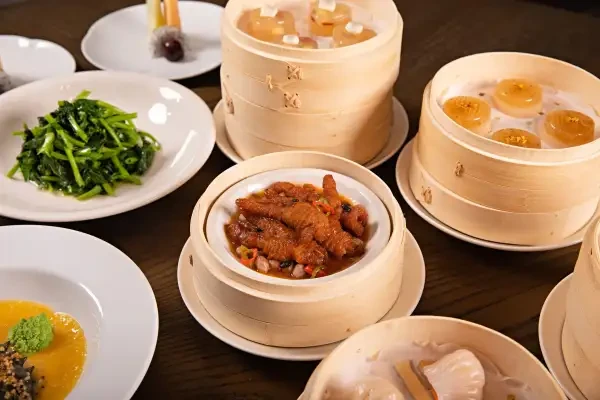
Guangzhou's food culture is the beating heart of the city, but it follows a different rhythm. Eating well is a birthright, not a luxury. The best Cantonese cuisine isn't hidden behind velvet ropes; it's on the street at 3 a.m., in a no-frills dai pai dong (open-air food stall) where a chef with 40 years of experience tosses a wok over a roaring flame, producing a plate of rice noodles with sliced beef that will haunt your dreams. It's in the chaotic, joyful din of a yum cha hall at 8 a.m., where elderly locals have been occupying the same table for decades, tapping two fingers on the tablecloth to thank the tea pourer. The Cantonese obsession with freshness is legendary: shrimp should be swimming until the moment they're cooked, vegetables should snap with vitality, and the true flavour of the ingredient, not the sauce, is the star. Shanghai invented the fine dining scene; Guangzhou invented the midnight feast that tastes better than most fine dining.
Old Money, Old Streets, Old Ways
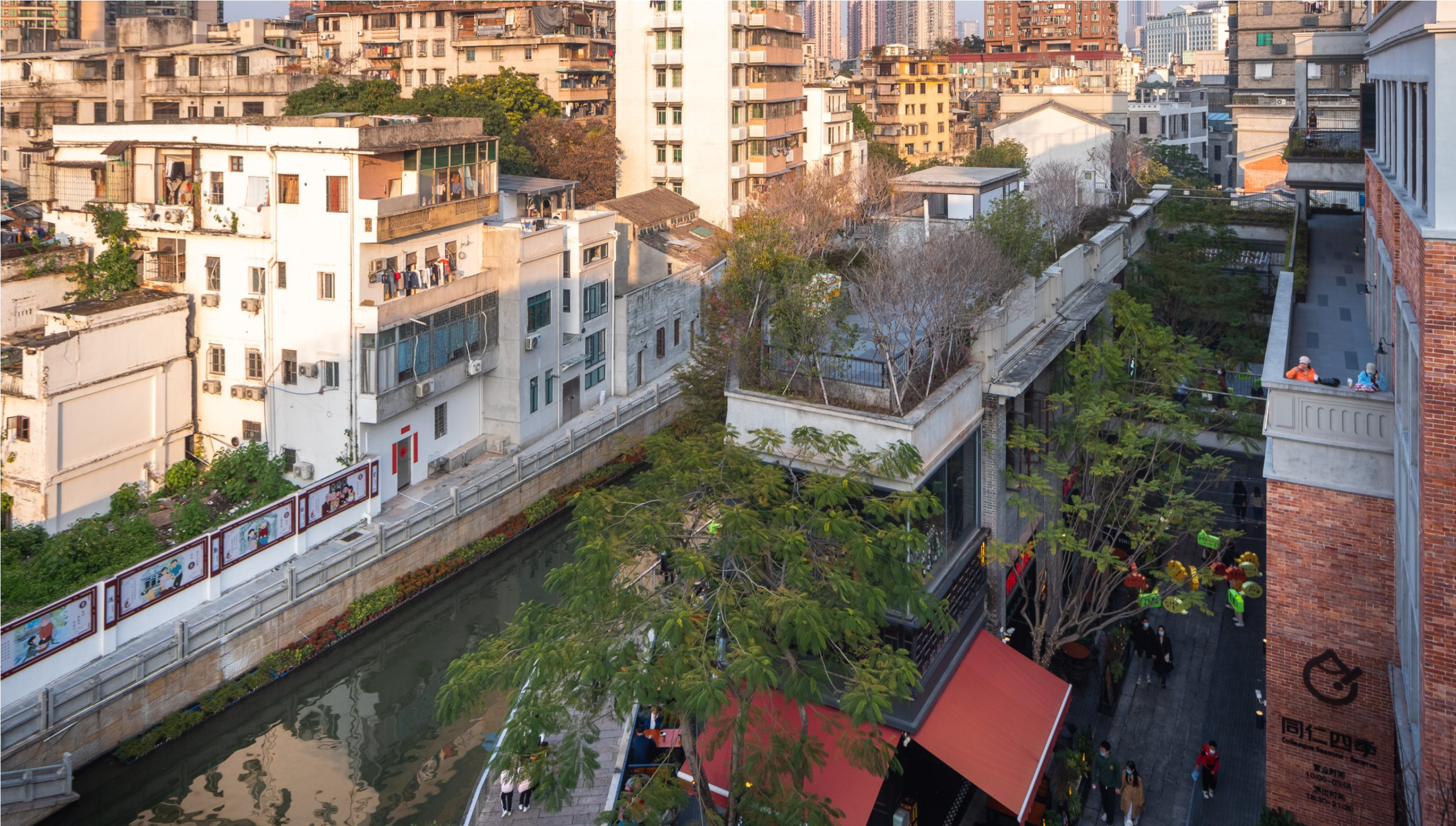
Where old Guangzhou charm meets trendy new vitality, the picturesque canal stretch of En'ning Road
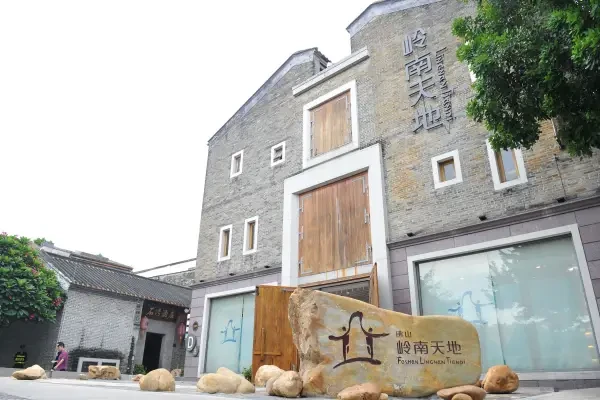
Shanghai's architectural heritage, the Bund's neoclassical banks, and the Shikumen lane houses are beautifully preserved, often serving as backdrops for fashion shoots and tourist photos. In Guangzhou, history is not a museum piece; it's still breathing. The qilou arcades of En'ning Road stretch for kilometres, their colonial-era colonnades sheltering herbal tea shops, calligraphy studios, and generations-old wonton noodle stalls that refuse to modernise. On Shamian Island, the tree-lined boulevards whisper tales of the old Canton Trade era, yet the mansions have been repurposed into quiet cafés and community spaces where locals practice Tai Chi at dawn. In Foshan, just a short metro ride away, a master of Wing Chun might still teach the ancient forms inside an ancestral temple, and the air smells of sandalwood and history.
Shanghai preserves its past beautifully; Guangzhou simply never stopped living in it. The result for visitors is a more organic, less curated encounter with a city that doesn't feel the need to package its heritage for consumption.
Pace and Pressure: The Business of Living
Shanghai moves at the speed of high finance. It's a city of deals, deadlines, and a certain relentless ambition that feels familiar to New Yorkers or Londoners. The coffee is strong, the meetings are back-to-back, and the skyline seems to climb a little higher every year.
Guangzhou also means business; it's the capital of the Pearl River Delta, an economic powerhouse that has been trading with the world since the Silk Road, but it refuses to let business consume its soul. The ritual of yum cha slows the morning. After lunch, the city doesn't judge you for a short nap. At dusk, the Pearl River promenade fills not with dealmakers on phones, but with families, dog walkers, and amateur Cantonese opera singers practicing their falsettos. There's a rootedness here, a sense that life's pleasures - family, food, friendship - are not interruptions to the workday but its very purpose.
Let Into South China Show You the Guangzhou That Isn't on the Postcards
Understanding this city requires more than a guided tour pointing at the Canton Tower. It requires sitting on a plastic stool at 2 a.m., eating charcoal-grilled oysters with a local who doesn't speak a word of English but will insist on pouring your beer. It requires shuffling into a traditional tea house in your newly purchased flip-flops, feeling utterly underdressed by Shanghai standards yet perfectly at home. It requires a partner who doesn't just translate the language but interprets the culture.
Into South China lives by the philosophy of Experience South China Like a Local. As specialists in authentic, tailor-made journeys across Guangdong, Guangxi, Hainan, Hong Kong, and Macau, they open doors that remain closed to generic tour operators. You can learn to make dim sum in a private kitchen, train Wing Chun with a lineage master in Foshan, cruise the Pearl River on a restored wooden boat at sunset, or explore the hidden arcades of Liwan with an English-speaking guide who grew up in those very lanes. They handle every detail, from ensuring your hotel is a restored heritage mansion rather than a generic high-rise, to teaching you the subtle art of tapping the table to thank your tea pourer.
Shanghai will impress you. It will give you a glittering, sophisticated introduction to modern China. But Guangzhou will welcome you, in its unpolished, deeply human way, and offer you a seat at the table of a culture that has been thriving for over two millennia. So pack your curiosity, leave the high heels in the suitcase, and slip into something more comfortable. A pair of flip-flops, perhaps. Guangzhou is waiting.