China is a vast, geographically diverse country divided into five major regions: North China, East China, South China, West China, and Central China. Each region boasts unique landscapes, weather patterns, and local cultures. A comprehensive tour covering all five areas takes around two months, which is not feasible for most short-term travelers. If you are visiting China for the first time with a limited schedule, focusing on South China is the most efficient and rewarding way to experience authentic Chinese scenery, culture, and urban life.
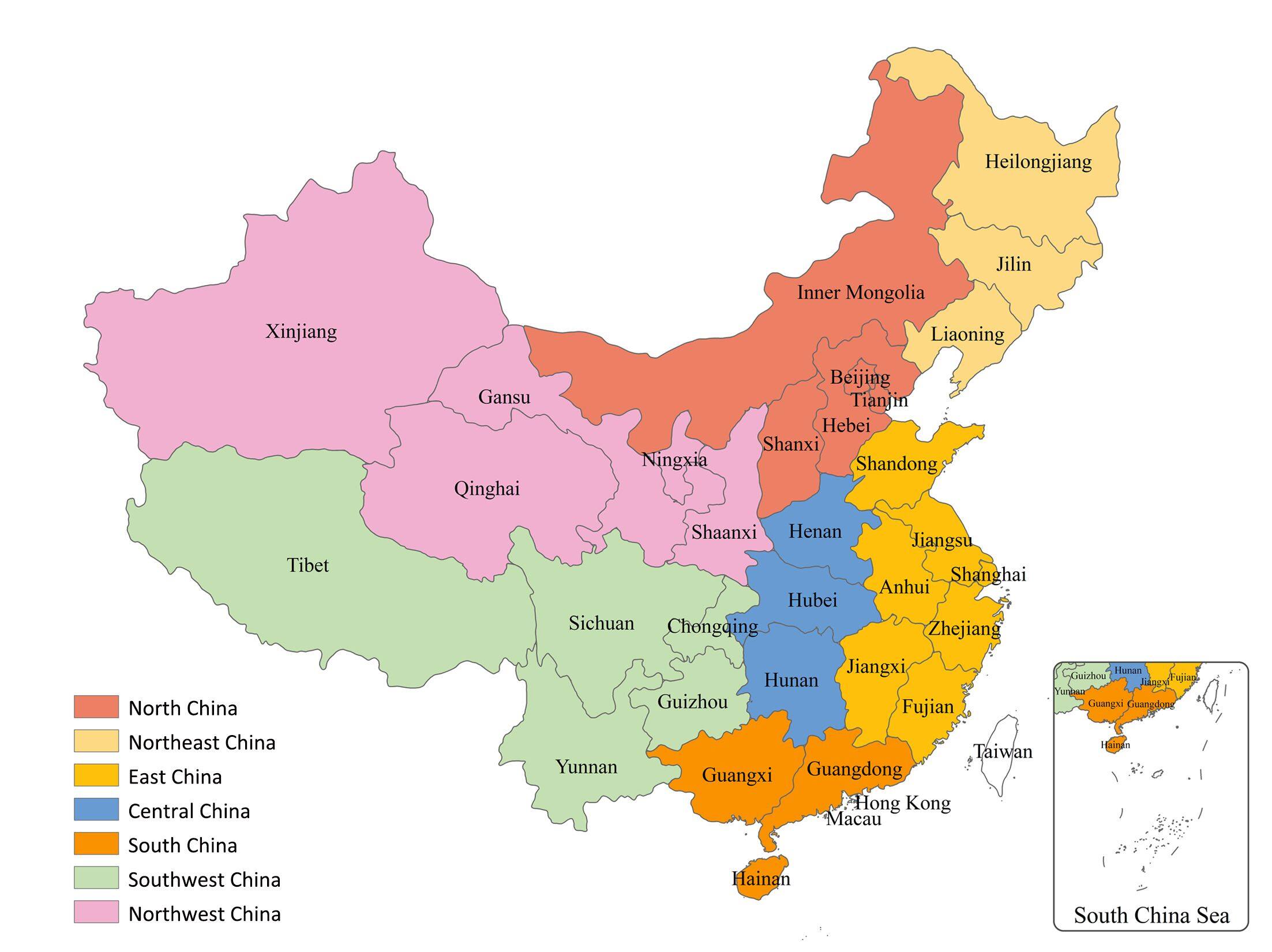
Map showing the seven major geographical regional divisions of China, marking all provincial-level administrative regions
As a professional inbound travel agency exclusively focused on South China tours, Into South China covers five core destinations: Guangdong, Guangxi, Hainan, Hong Kong, and Macau. This vibrant region features lush subtropical scenery, time-honored Lingnan traditions, distinctive Sino-Western architectural heritage, authentic Cantonese cuisine, and modern metropolitan landscapes, making it an ideal beginner-friendly destination for unforgettable first-time China travel.
First-time international travelers often have concerns about unfamiliar local payment systems, flight booking, internet access, and personal safety. This practical, streamlined guide answers all your questions and helps you explore China with ease and confidence.
1. Payment Tips: Go Cashless in China
Cash is rarely used across China, as mobile payment supports nearly all consumption scenarios, including shops, restaurants, transportation, and scenic ticket purchases. We recommend installing WeChat or Alipay before arriving in China. Both platforms allow you to bind international Visa and Mastercard credit cards for direct payments, eliminating the need to exchange large amounts of RMB cash. It is the most convenient and widely accepted payment method for foreign tourists.
2. Transportation: Easy & Accessible Travel
Ride-hailing is the most flexible and convenient option for urban travel in China. The mainstream local app Didi functions just like Uber and Lyft, providing verified taxis and private cars with transparent pricing and reliable service. It perfectly suits daily city trips and short cross-city travels within the region.
3. High-Speed Railway (Bullet Train) Tips for Foreign Passport Holders

China’s Hexie Hao high-speed train traveling through an urban rail yard under clear blue skies
China’s high-speed railway is an iconic travel highlight for first-time foreign visitors, renowned for its exceptional punctuality, clean carriages, comfortable rides, and high cost performance. Foreign passport holders can board bullet trains legally without a Chinese ID. You can complete real-name verification and ticket booking in two convenient ways: pre-register your passport via the official 12306 railway app, or purchase and collect tickets on-site at railway counters or self-service machines with your physical passport.
Two South China high-speed rail routes are highly recommended for foreign travelers. The Zhuhai – Guangzhou line offers frequent daily trips, short travel times, and affordable fares, seamlessly connecting the border city of Zhuhai to Guangzhou’s bustling urban core. The scenic Guangzhou–Guilin route turns transportation into a sightseeing experience, offering breathtaking window views of iconic karst mountains and river valleys. Fast, comfortable, and cost-effective, bullet trains are the optimal way to travel between key destinations in South China.
4. Internet Access Preparation
To ensure normal access to your commonly used social media, search, and navigation apps during your trip, install a reliable VPN on your mobile devices before entering China. This simple preparation guarantees stable, uninterrupted internet access throughout your journey.
5. Night Travel Safety
Major cities in China, including Guangzhou, Shenzhen, Hong Kong, and Macau, boast an excellent public security environment and are extremely safe for tourists day and night. With comprehensive urban monitoring and regular public security patrols, nighttime strolls, night market visits, and outdoor activities are entirely secure for international travelers.
6. South China Climate & Packing Guide by Season
South China has a typical humid subtropical climate with high year-round humidity, frequent rainfall, and strong ultraviolet radiation. Unlike the dry climates of most Western countries, its damp heat and sudden weather shifts often surprise first-time visitors. Here is a complete guide covering sun protection, rain preparedness, and seasonal dressing tips for a comfortable trip.
Spring (March–May): Mild yet highly humid with unpredictable sudden drizzles. Wear thin, moisture-proof long sleeves and pack a lightweight waterproof jacket. Avoid thick cotton clothing, which easily absorbs moisture and stays damp. Keep a compact umbrella in your bag at all times, and maintain consistent sun protection for outdoor sightseeing, as UV rays remain prominent even on cloudy days.
Summer (June–August): Hot, sticky, and extremely humid, with intense UV radiation and frequent afternoon thunderstorms. Opt for lightweight, quick-drying casual clothing for optimal comfort. Full sun protection is essential: prepare high-SPF sunscreen, UV-protective sunglasses, and sun hats. Coastal areas like Hainan, Hong Kong, and Macau have strong light reflection, which can cause severe sunburn even on overcast days. Always carry a portable umbrella for unexpected downpours.
Autumn (September–November): The most travel-friendly season in South China, featuring cool temperatures, lower humidity, and stable weather. Light long sleeves and thin outer layers adapt well to daytime tours and cool evenings. Though rainfall decreases significantly, long outdoor exposure still requires regular sun protection to avoid tanning and skin damage. A compact umbrella is still recommended for occasional light rain.
Winter (December–February): Mild, damp, and chilly with no snow or freezing temperatures. South China’s humid cold feels more piercing than dry Western winter weather, so dress in adjustable warm layers to adapt to indoor and outdoor temperature differences. Rainfall is minimal, but sporadic light rain may occur on humid days, so keep a portable umbrella handy. Basic sun protection is still required on sunny winter days.
7. Cross-Border Travel Tips: Hong Kong ↔ Shenzhen & Macau ↔ Zhuhai
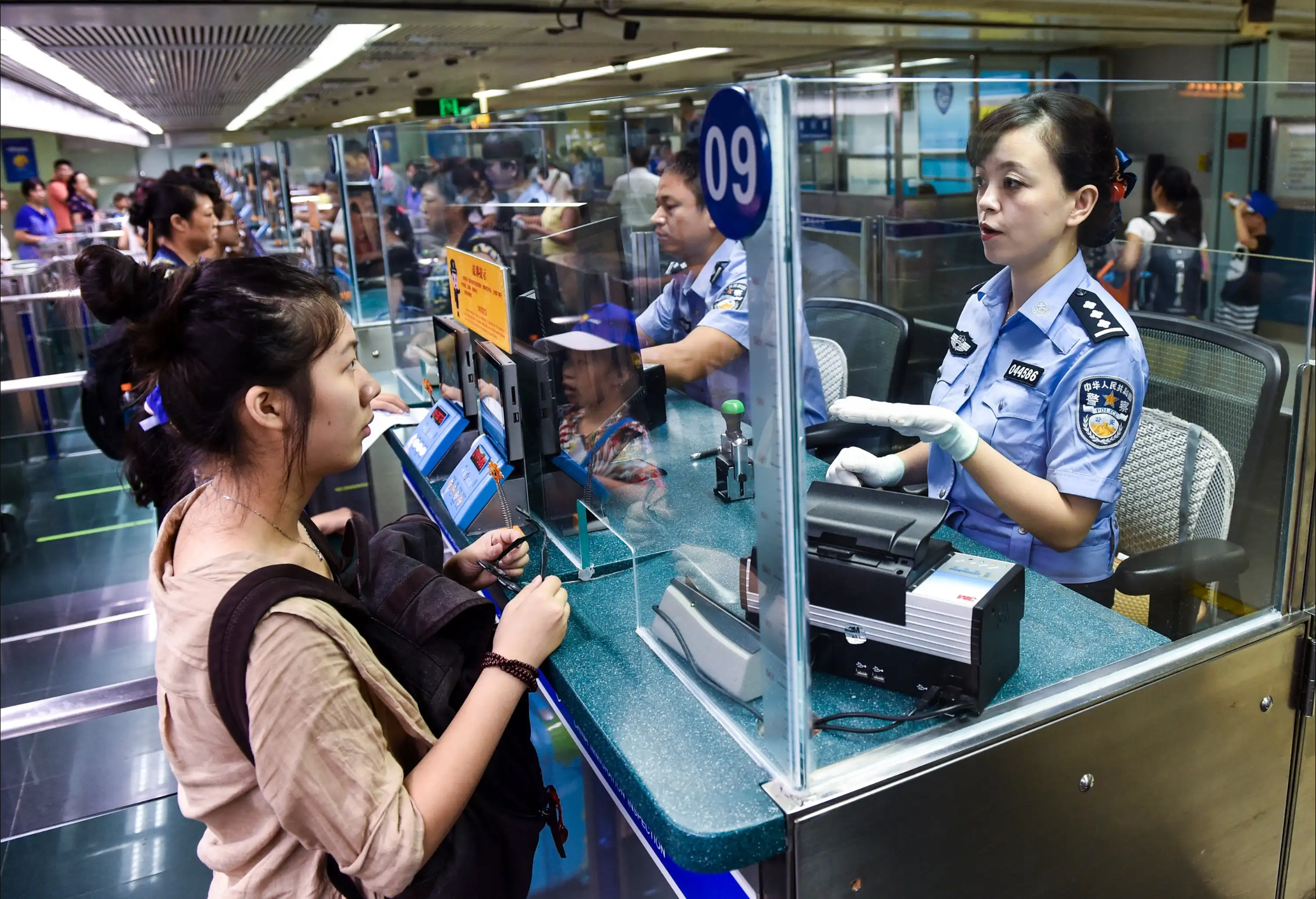
International travellers are advised to prepare for border control between mainland South China, Hong Kong, and Macau
Cross-border travel between mainland South China, Hong Kong, and Macau is well-regulated and tourist-friendly. Below are practical tips for the two most popular cross-border routes for foreign travelers.
Hong Kong ↔ Shenzhen: Multiple efficient border ports, including Luohu, Futian, and Shenzhen Bay, connect the two cities. Subways, cross-border buses, and taxis are available for border crossing. Always carry your passport and a valid visa for customs inspection. The entire clearance process is efficient, normally taking 10 to 20 minutes under normal conditions.
Macau ↔ Zhuhai: The main crossing points are Gongbei Port and Hengqin Port, supporting pedestrian access and cross-border bus services. Customs clearance is simple and efficient for foreign passport holders. To avoid long waiting times, please avoid traveling during weekends and public holiday peak hours.
With convenient cross-border transportation, pleasant seasonal climate, inclusive local culture, and traveler-oriented facilities, South China is the perfect starting point for your first trip to China. If you need customized travel routes, professional guide services, or personalized itinerary planning for Guangdong, Guangxi, Hainan, Hong Kong, and Macau, the experienced team at Into South China is ready to craft your ideal South China travel experience.